
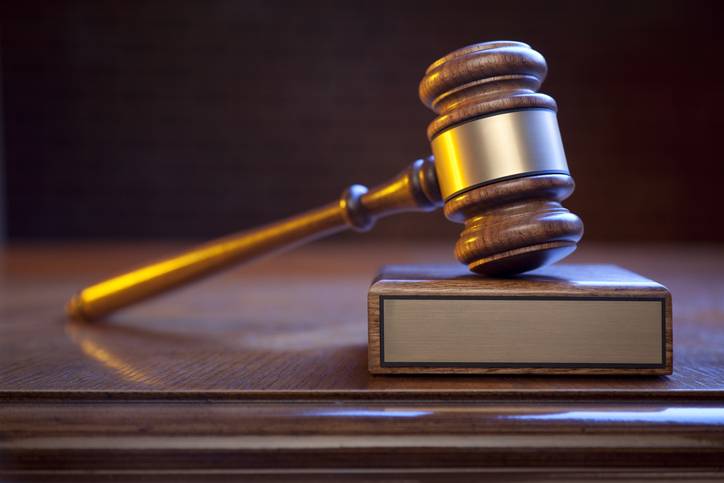
KAMPALA, Uganda — In a quiet but powerful courtroom moment this week, Uganda’s Court of Appeal hit the pause button on the convictions of two men who had been found guilty in a military trial years ago. The decision feels like a long-overdue breath of fresh air for many who have watched the country’s justice system wrestle with questions of fairness.
The case centered on Matia Kiiza Bukenya and Derrick Jumba, convicted of murder and aggravated robbery following a violent attack at a hardware shop in Masaka Municipality. Their original trial took place in the General Court Martial — the military’s own court system — rather than a regular civilian one. On Monday, a panel of three justices — Geoffrey Kiryabwire, Ketrah Kitarisibwa Katunguka, and Cornelia Kakooza Sabiiti — ruled that those convictions and sentences should be suspended right away.
Why the change now? The judges pointed straight back to the Supreme Court’s landmark ruling from January 31, 2025, in the case of Attorney General v Michael Kabaziguruka. In that decision, the country’s highest court declared that military courts simply don’t have the authority to try ordinary civilians. They said such trials violate basic constitutional promises: the right to a fair hearing before an independent and impartial judge, equality under the law, and protection from unfair or abusive processes.
The Supreme Court had ordered all ongoing and pending civilian cases in military courts to stop immediately and move over to regular civilian courts. Importantly, though, that 2025 ruling wasn’t meant to automatically wipe out every past conviction — it applied going forward. People who had already been convicted could still challenge their cases individually.
That’s exactly what happened here. The defense lawyers argued that the same problems the Supreme Court identified back then also tainted their clients’ military trial. The Court of Appeal agreed, suspending the convictions and sending the whole matter back for review or a fresh trial in a proper civilian court.
For the two men and their families, this isn’t freedom yet — but it’s a door cracked open. They now have a real chance at a redo in a system designed for civilians, with all the safeguards that come with it.
This move comes against a tense backdrop. After the Supreme Court’s 2025 bombshell, the government pushed through changes to the Uganda Peoples’ Defence Forces Act later that year, trying to carve out new ways for military courts to handle certain civilian cases (especially those involving guns or security threats). Human rights groups, the United Nations, and opposition voices called it a direct challenge to the court’s authority and a step backward for fair trials.
Yet the judiciary keeps holding the line. This latest Court of Appeal decision shows that even past cases aren’t completely off-limits if they were built on the same shaky ground. Lawyers and activists say it’s a reminder that justice shouldn’t depend on which uniform is in the courtroom.
For ordinary Ugandans caught up in these military proceedings over the years — whether opposition supporters, people in conflict zones like Karamoja, or just regular folks accused of serious crimes — rulings like this offer real hope. They signal that the system can correct itself, even if it takes time.
As the country looks ahead to more political moments in the coming years, decisions like Monday’s keep the conversation alive: civilians belong in civilian courts, full stop. The Court of Appeal has now made that point a little louder for at least two families who have waited far too long.



Leave a Reply